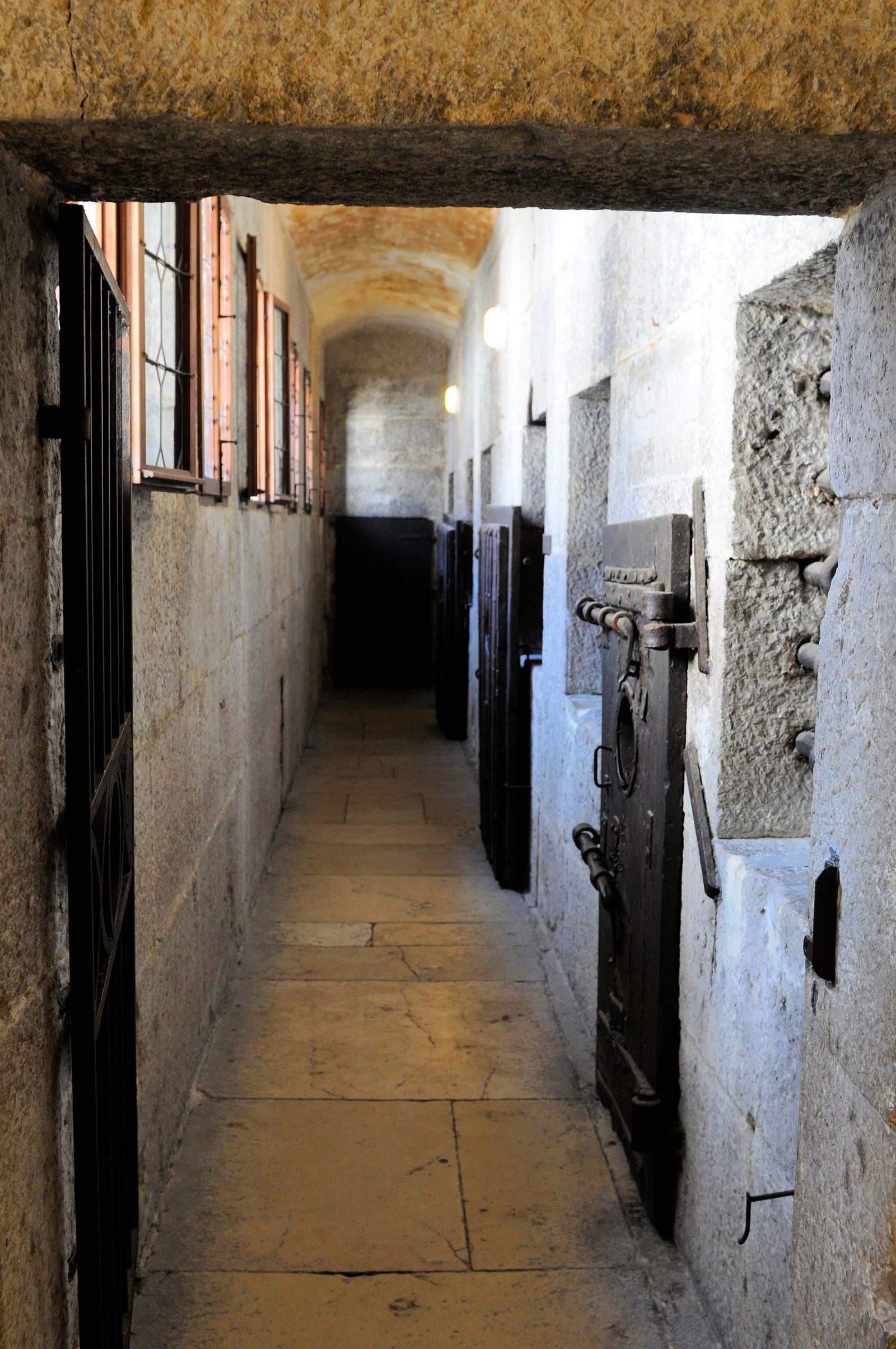
Piombi Prisons
These small, high-security cells located directly under the palace roof once held high-profile prisoners.
Look for the original wooden doors and ancient graffiti.

Two guided routes carry similar-sounding names inside the same corner of Piazza San Marco, and travellers regularly book the wrong one. One threads the administrative attic of a republic; the other turns toward the mosaics and reliquaries of the basilica next door. This guide explains what separates them before you commit to a time slot.
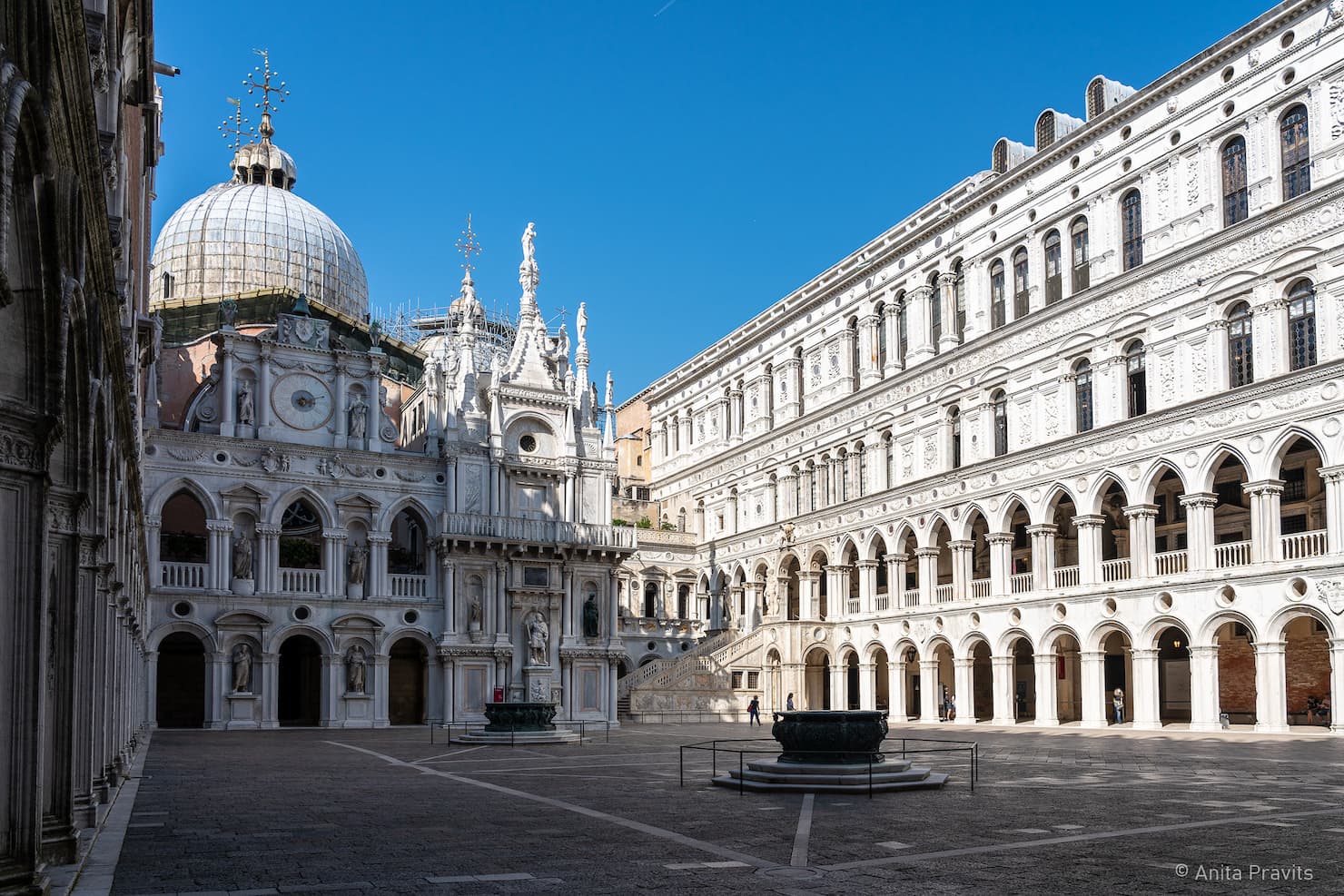
Quick answer
The two differ by building and by subject. Secret Itineraries covers the working interior of Palazzo Ducale — chancery, torture chamber, the Piombi cells — on a guided route through rooms closed to standard visitors. Hidden Treasures turns to the basilica's mosaics, treasury and marble. Both begin at Piazza San Marco, 1; standard adult gate entry to the St. Mark's Square Museums is 35 EUR, and the palace opens daily from 09:00.
Casanova escaped from a roof cell in this building in 1756, and the route he took through the lead-lined Piombi is now walked, in reverse, by visitors on a guided tour. That single fact explains most of what separates the two experiences travellers compare when researching doge's palace secret itineraries vs hidden treasures. One route belongs to the machinery of government; the other belongs to the church. The first threads the parts of Palazzo Ducale that were never meant to be seen. Guides lead small groups through the Chancellery, the wooden-panelled Sala dei Tre Capi, the interrogation room, and up beneath the roof to the cells where prisoners of the Council of Ten were held. The stairs are narrow, the ceilings low, and the story is administrative rather than devotional: how a republic surveilled itself. Sturdy shoes matter more than anything else here. The second turns next door, into the Basilica di San Marco. Its subject is material — the gold-ground mosaics of the atrium, the Pala d'Oro, the treasury assembled from Constantinople after 1204, the porphyry and marble hauled home by Venetian galleys. Where the palace route is about power, this one is about plunder and craftsmanship. It suits visitors drawn to Byzantine art, and it pairs naturally with the Loggia dei Cavalli and its bronze horses. Most travellers researching venezia palazzo ducale visite guidate assume they must choose. In practice the two sit side by side on the same square, and a determined visitor can attempt both in a single day, provided the guided slots do not overlap and there is an hour of slack between them. Both start from the same address on Piazza San Marco. Anyone comparing doge's palace secret itineraries vs hidden treasures should decide by interest, not by prestige — neither is a lesser version of the other. A skip-the-line Doge's Palace entry still leaves the Piombi and the treasury unseen; those interiors open only with a guide. Verify current guided departures on the official Palazzo Ducale site before fixing the rest of your day around Venice landmarks, since guided routes run to their own calendar and are withdrawn without much notice.
“One route belongs to the machinery of government; the other belongs to the church.”
Visitors to the Doge's Palace must choose between the structured access of the Secret Itineraries or a self-guided exploration of the building's hidden artistic chambers. This comparison helps you decide which route aligns with your interest in Venetian administration versus architectural detail.
| Secret Itineraries Guided Administrative focus Recommended | Hidden Treasures Self-guided artistic focus | |
|---|---|---|
| Access Area | Restricted administrative offices and prisons | Public galleries and private chambers |
| Historical Focus | Political history and judicial proceedings | Art history and ornamental design |
| Typical Group Size | Limited to 25 people | Variable based on individual pace |
| Depth of Narrative | High; focuses on specific historical figures | Moderate; focuses on architectural context |
| Physical Demands | High; involves narrow staircases | Low; accessible via main halls |
Verdict: Choose the Secret Itineraries for a deep dive into the political machinery of Venice, or select the Hidden Treasures route for a flexible experience centered on the palace's artistic and structural legacy.
The Secret Itineraries tour provides access to the restricted administrative and penal areas of the palace, while hidden treasure routes often focus on the lesser-visited artistic and architectural details. These spaces offer a perspective on the logistical and judicial functions of the Venetian Republic.
These small, high-security cells located directly under the palace roof once held high-profile prisoners.
Look for the original wooden doors and ancient graffiti.
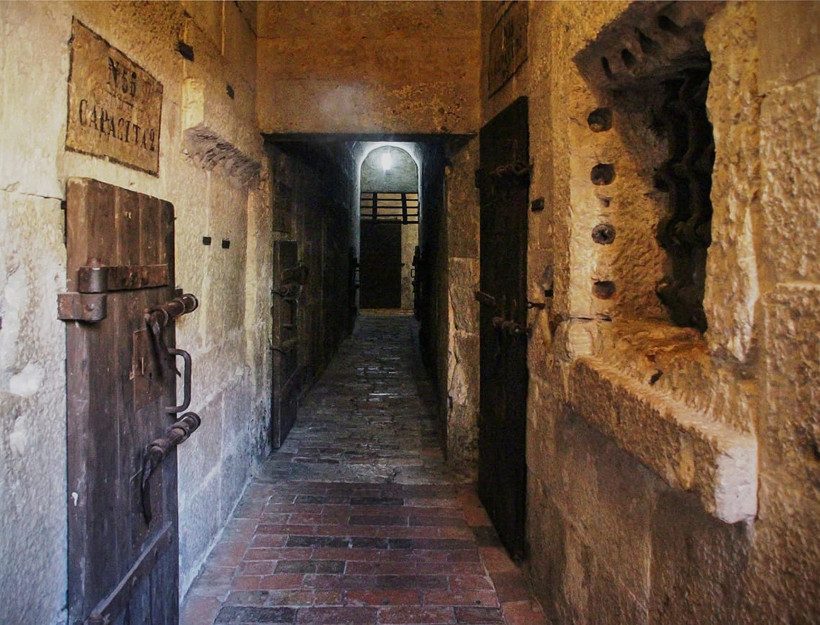
Damp, lower-level cells reachable via the Bridge of Sighs that highlight the harsher side of Venetian justice.
Observe the ventilation slits to understand the environmental conditions.
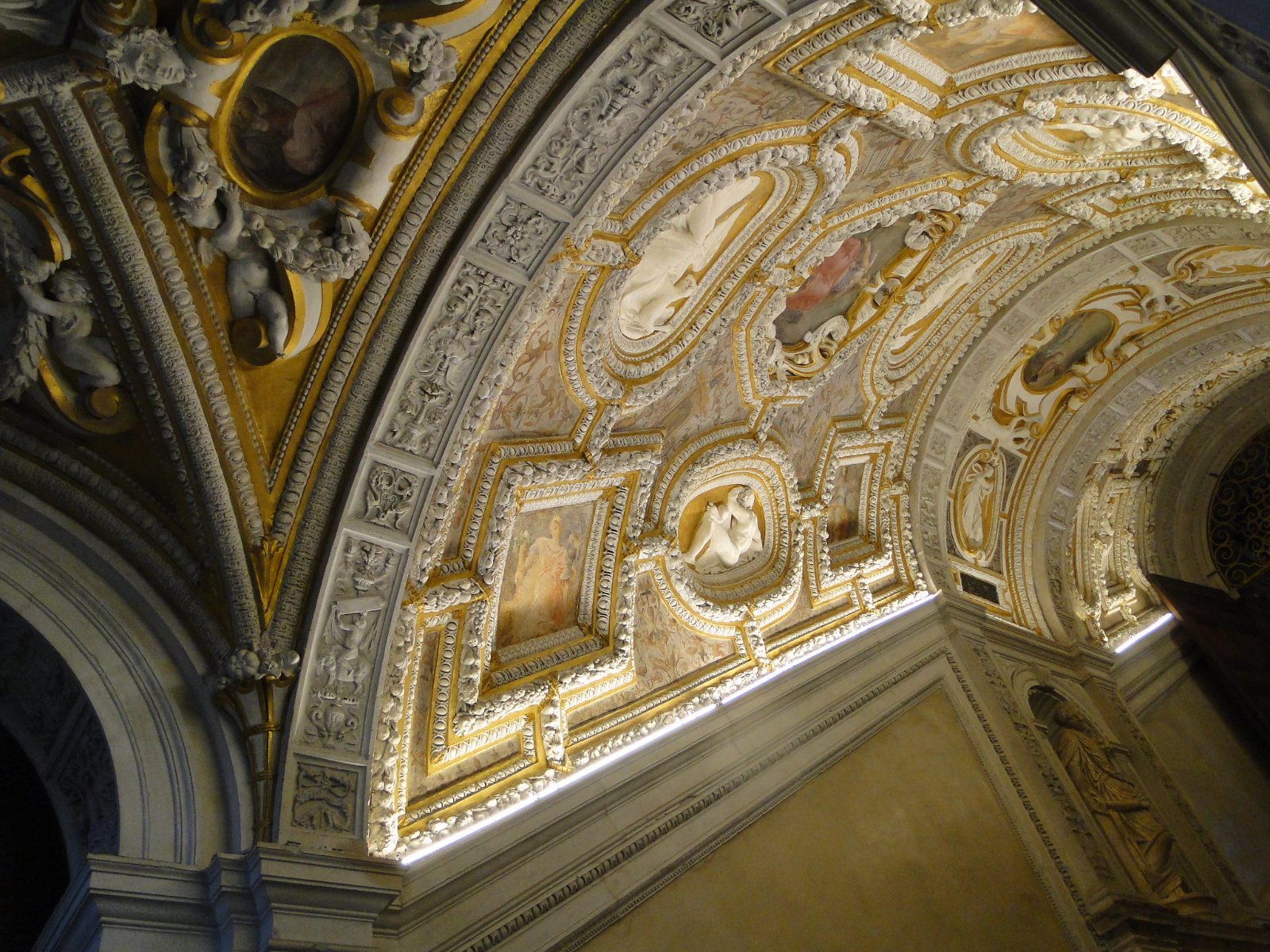
This room contains historical documents and records kept by the state secretaries to manage complex administrative tasks.
Check the wooden cabinets where official state scrolls were stored.
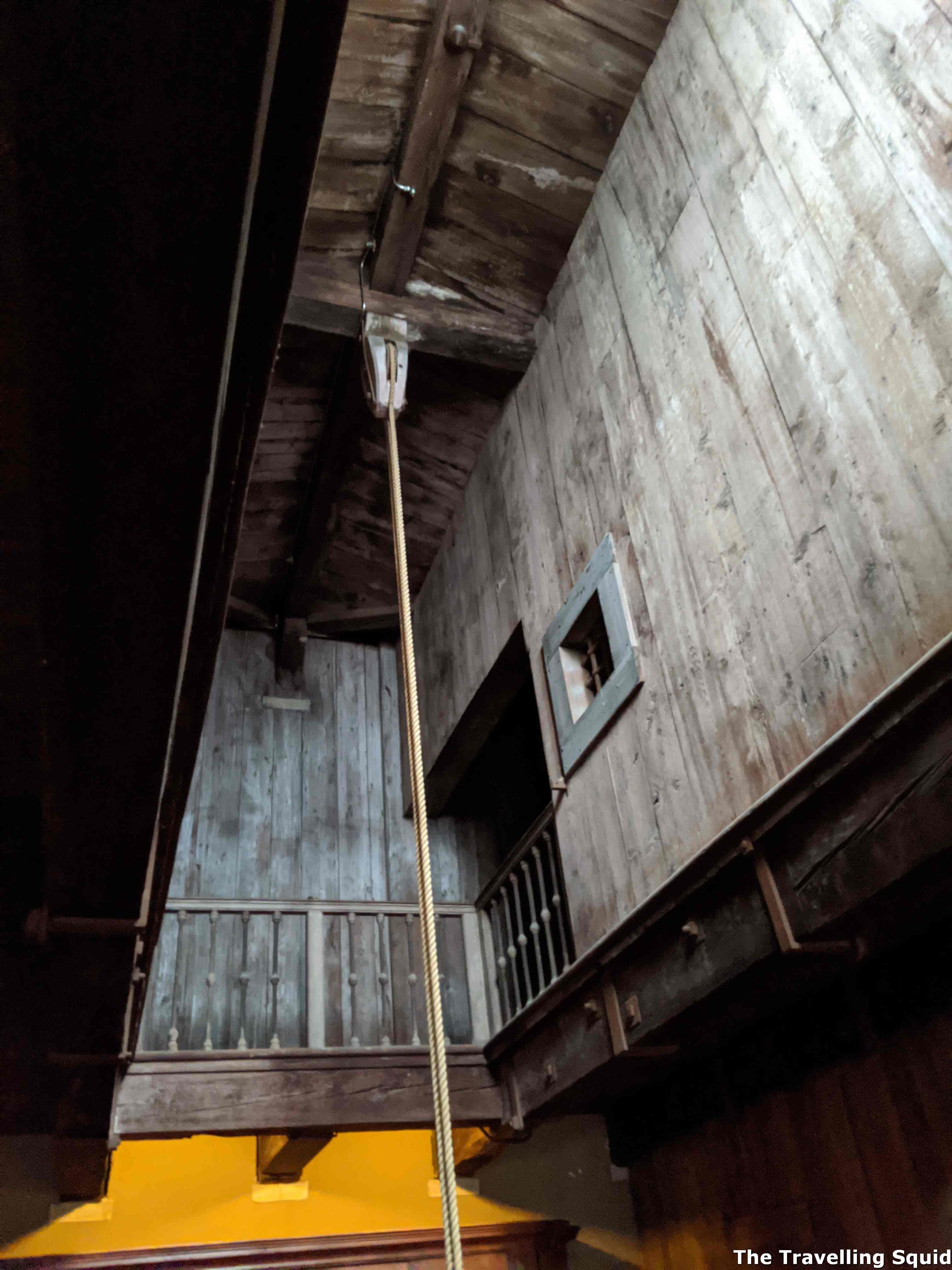
Also known as the Camera del Tormento, this room served as the site for interrogations during judicial proceedings.
Note the lack of light to visualize the atmosphere of interrogations.
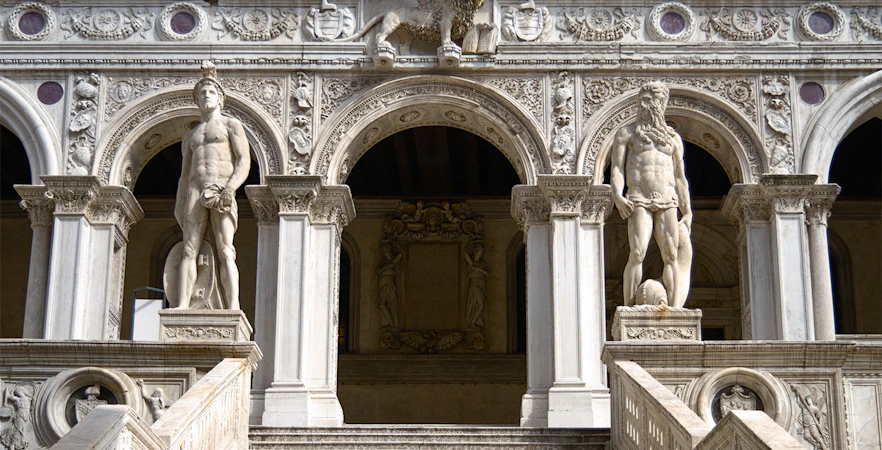
A private office space used by the Doge for governmental duties away from the public eye.
Examine the ceiling carvings for detailed Venetian symbolism.
This plan suits visitors combining a Secret Itineraries guided route with independent time in the palace and Basilica, and runs roughly four hours end to end. It assumes a booked tour slot, since the secret route runs only with a guide at fixed departure times.
Enter through the courtyard-side gate on the lagoon front and collect your tour meeting instructions. Allow 15-20 minutes for security and the walk across the Cortile.
Wait in the courtyard rather than indoors, using the time to see Sansovino's giants and the bronze wellheads. Guides typically gather groups near the ticket hall entrance.
The guided walk covers the Chancellery, the Torture Chamber, the Piombi cells and Casanova's cell across about 75 minutes. Bags larger than a small daypack must go to the cloakroom first.
The tour ends inside the palace, so continue alone through the Doge's Apartments, Sala del Collegio and Sala del Maggior Consiglio. Budget 60-75 minutes at an unhurried pace.
Cross the bridge and walk the Prigioni Nuove, then exit along the Ponte della Paglia. Around 30 minutes, and it is the busiest bottleneck of the route.
Rejoin the queue at the Basilica's north entrance for the Pala d'Oro and the Loggia dei Cavalli. Expect 20-40 minutes of queueing plus 45 minutes inside; shoulders and knees must be covered.
The best arrival window for both Secret Itineraries and general museum areas is 09:00–10:30 to avoid peak afternoon crowds. Visiting during this early timeframe allows for a more controlled experience in the confined spaces of the hidden routes before the museum reaches maximum capacity.
—
Quiet conditions provide optimal access to confined areas and corridors before the arrival of group tours.
Cool (4°C–12°C); damp, misty atmosphere
The off-season offers the most peaceful experience, though the city experiences higher humidity and the chance of acqua alta.
Mild (15°C–22°C); pleasant for walking
These shoulder months balance comfortable temperatures with higher visitor numbers, requiring precise adherence to the early morning arrival window.
Verdict: The most effective strategy is a Tuesday to Thursday arrival at 09:00 during the months of April or October.
The Doge's Palace maintains a consistent operating schedule throughout the week to accommodate visitors interested in both standard exhibits and specialized guided tours.
Everything you need to know about doge's palace secret itineraries vs hidden treasures
The secret itineraries focus on the administrative offices, prisons, and torture chambers, while hidden treasures often refer to the restricted art and attic spaces. Choosing between a doge's palace secret itineraries vs hidden treasures tour depends on whether you prefer historical intrigue or artistic archives. Both offer exclusive access to areas not found on the standard Venetian museum circuit.
No, these specialized routes require separate arrangements beyond the 35 EUR standard adult gate price for St. Mark's Square Museums. You must check the official site for availability, as these areas are not accessible with a basic entry ticket. This ensures the protection of the Venetian gothic architecture and delicate heritage sites.
Yes, families are welcome, though the doge's palace secret itineraries vs hidden treasures require significant walking and maneuvering through narrow staircases. Parents should consider if the duration is suitable for younger children who might struggle with the tight spaces and long, guided explanations.
Standard Venice landmarks tours follow the primary ceremonial apartments and the Golden Staircase. In contrast, the secret routes explore the Piombi prisons and the offices of the Great Council, providing a much deeper look into the power structures of the Republic of Venice.
Due to the high demand for exclusive Venetian heritage access, booking your spot early is strongly recommended. Attempting to secure these slots upon arrival is rarely successful, especially during peak summer months when Venice experiences higher visitor numbers.
Most restricted areas involve narrow, steep staircases that are not suitable for visitors with limited mobility. If you are interested in a doge's palace secret itineraries vs hidden treasures tour, confirm the physical requirements on the official site before finalizing your plans.